
How North Carolina's Drought Can Affect Your Home's Foundation
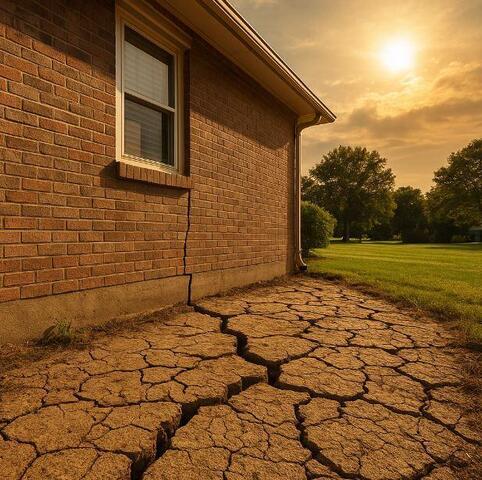
When homeowners think about foundation problems, they often blame heavy rain or flooding. While excess moisture can certainly cause issues, prolonged drought conditions in North Carolina can be just as damaging to your home's foundation.
Even though many areas across North Carolina have recently received rainfall, months of dry weather can continue to affect the soil beneath your home. One or two rainstorms aren't enough to immediately restore the ground after an extended drought. If the soil has already shrunk, your home's foundation may have already begun to settle.
Understanding how drought affects your foundation can help you recognize the warning signs early and protect your home before the damage becomes more severe.
How Does a Drought Affect Your Foundation?
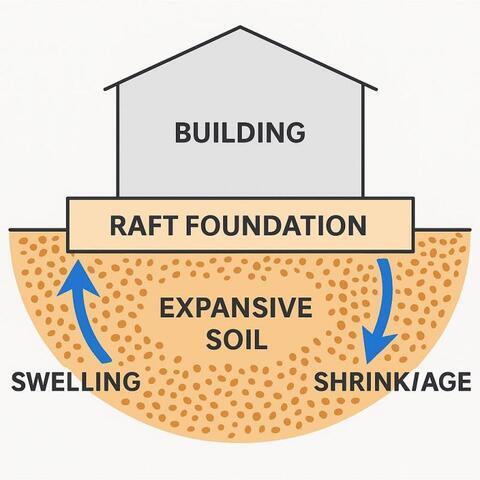
Your home's foundation relies on the soil beneath it for support. Throughout much of North Carolina, the soil contains clay, which naturally expands when it absorbs moisture and shrinks when it dries.
During a drought:
- The soil loses moisture.
- Clay soil begins to shrink.
- Empty spaces (voids) develop beneath parts of the foundation.
- Without consistent support, sections of the home begin to settle.
This movement is known as foundation settlement and can occur gradually over time.
The upper layer of soil, called the active zone, experiences the greatest changes in moisture throughout the year. As the seasons change, this soil expands when wet and contracts when dry. During extended drought conditions, the active zone can shrink significantly, making homes more vulnerable to settlement.
Signs Your Foundation May Be Settling
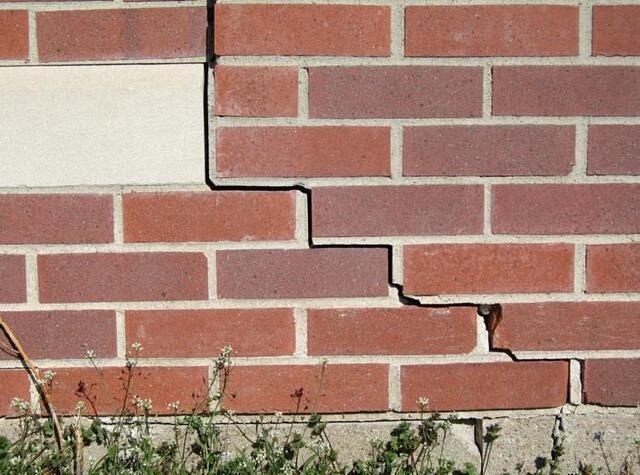
Foundation settlement often starts with small changes that become more noticeable over time. If you've experienced dry conditions in your area, watch for these common warning signs outside your home:
- Stair-step cracks in brick or masonry
- Foundation wall cracks
- Chimneys pulling away from the home
- Gaps around exterior doors or windows
Inside your home, you may notice:
- Cracks in drywall
- Doors that stick or won't latch properly
- Windows that become difficult to open or close
- Uneven or sloping floors
- Gaps between walls, ceilings, or floors
These symptoms don't necessarily mean your foundation is failing, but they are important indicators that your home may be settling and should be inspected.
Don't Ignore Sagging Floors
Not every structural problem begins with foundation cracks.
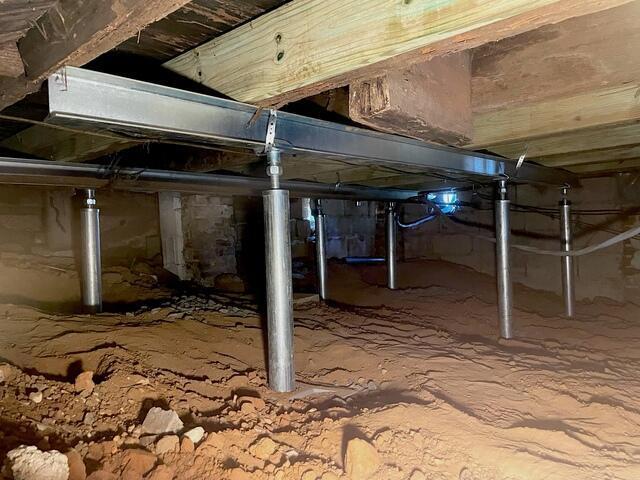
If your floors feel bouncy, uneven, or appear to sag, the issue may be coming from your crawl space.
Over time, weakened floor joists, deteriorating supports, and excessive moisture can allow your floor system to lose strength. As those supports weaken, your floors may begin to sink or feel unstable.
Common signs include:
- Sloping or uneven floors
- Floors that bounce when walked on
- Interior doors that no longer close correctly
- Cracks where walls meet ceilings
Addressing these issues early can help prevent additional structural movement throughout the home.
Permanent Foundation Repair Solutions
Repairing drywall cracks or filling foundation cracks may improve the appearance of your home, but cosmetic repairs don't solve the underlying problem.
The most effective solution is to stabilize your home by transferring its weight to stronger, more stable soil.
Steel Push Piers
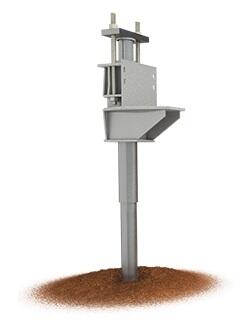
Steel push piers are designed to stabilize homes that have settled due to shrinking or unstable soil.
These heavy-duty steel piers are hydraulically driven deep into load-bearing soil beneath the active zone until they reach stable ground. Once installed, they permanently support your home's foundation and can often lift settled sections closer to their original position.
Push piers are an effective solution for homes experiencing foundation settlement caused by drought, changing soil conditions, or long-term soil movement.
Helical Piers
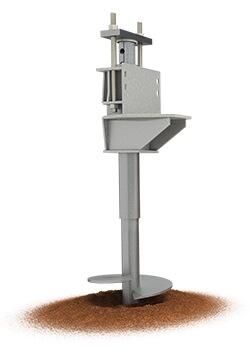
Helical piers provide another proven foundation repair solution.
Unlike push piers, helical piers feature large steel plates that allow them to be mechanically screwed into the ground until they reach stable soil.
Helical piers are commonly used to stabilize foundations, porches, additions, and other structures where long-term support is needed. Like push piers, they help protect your home from continued settlement caused by unstable surface soils.
SmartJack Crawl Space Supports
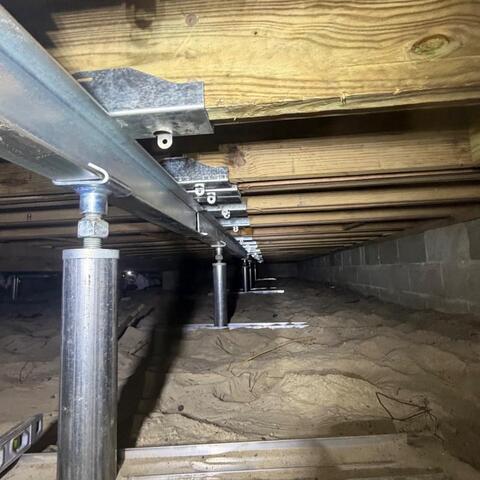
If your concern is sagging or uneven floors, SmartJack crawl space support posts provide a permanent solution.
Installed beneath weakened floor joists and beams, SmartJack systems add structural support where it's needed most. The system is adjustable, allowing floors to be stabilized and, in many cases, lifted closer to their original position.
SmartJack supports are ideal for homeowners experiencing:
- Sagging floors
- Floor bounce
- Weak crawl space supports
- Uneven flooring
Protect Your Home Before Small Problems Become Big Repairs
North Carolina's recent drought serves as an important reminder that foundation problems aren't only caused by heavy rain. Extended dry weather can shrink the soil beneath your home, creating the conditions for foundation settlement and structural movement.
If you've noticed stair-step cracks, sticking doors, uneven floors, or other signs of settlement, it's best to address the underlying cause rather than simply repairing the cosmetic damage.
Whether your home needs steel push piers, helical piers, or SmartJack crawl space supports, correcting the source of the problem can help provide long-term stability and protect one of your biggest investments.
By recognizing the warning signs early, homeowners can often prevent more extensive damage and enjoy greater peace of mind knowing their home's foundation is built on stable support.